Booster Pump Repair in Plover, WI
Booster Pump Repair in Plover, WI — what the job involves, what affects the price, and how scheduling works, explained before you book.
A pressure problem near Plover Public Library can start at one fixture or affect every tap in the house. Our crew checks the source before recommending a repair.
Hot summer spells raise household water demand; if flow fades when several fixtures run, we compare pressure under actual use instead of guessing from one faucet. Autumn cold snaps can put plumbing in an unheated crawlspace at risk, so we check exposed supply sections when access allows. Small details matter.
From homes near Portage County Regional Airport to Plover’s brick-and-vinyl ranch houses, we work with the plumbing that is actually installed, including older supply lines and pressure controls. We explain what we find and what the repair involves before work begins.
We can discuss access to the basement, utility room, or crawlspace when you schedule.
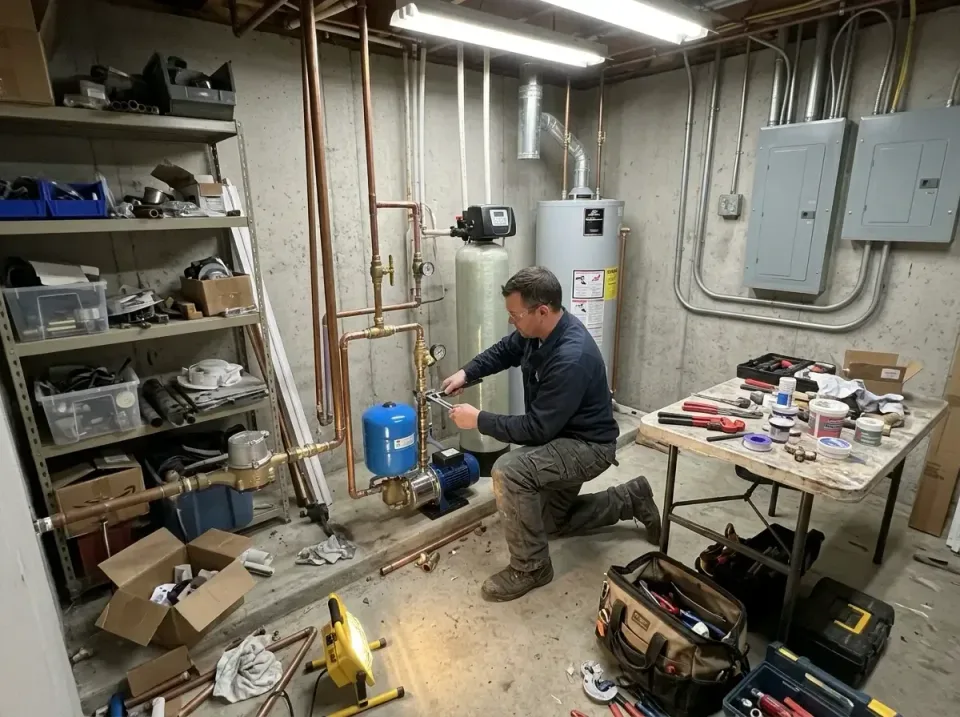
Check the License
Low Water Pressure Repair in Wisconsin is regulated by Wisconsin Department of Safety and Professional Services;
What a Visit Covers
A typical visit locate main shutoff before testing.
Typical Price Range
Pressure diagnosis often runs $75–$250 depending on access and testing time; get a written quote first.
Weak Water Flow At
Weak water flow at every faucet — worth a professional look when you notice it.
Booster Pump Repair in Plover, WI — what the job involves, what affects the price, and how scheduling works, explained before you book.
Local water pressure regulator repair for Plover, WI with a written scope, clear pricing, and scheduling you can plan around.
Sudden Water Pressure Loss Repair in Plover, WI — what the job involves, what affects the price, and how scheduling works, explained before you book.
Local shower pressure repair for Plover, WI with a written scope, clear pricing, and scheduling you can plan around.
Local low hot water pressure repair for Plover, WI with a written scope, clear pricing, and scheduling you can plan around.
Low Cold Water Pressure Repair in Plover, WI — what the job involves, what affects the price, and how scheduling works, explained before you book.
Local faucet pressure repair for Plover, WI with a written scope, clear pricing, and scheduling you can plan around.
Clogged Water Line Repair in Plover, WI — what the job involves, what affects the price, and how scheduling works, explained before you book.
Water Line Leak Repair in Plover, WI — what the job involves, what affects the price, and how scheduling works, explained before you book.
Water Softener Pressure Repair in Plover, WI — what the job involves, what affects the price, and how scheduling works, explained before you book.
Local well pump pressure repair for Plover, WI with a written scope, clear pricing, and scheduling you can plan around.
Local well pressure tank repair for Plover, WI with a written scope, clear pricing, and scheduling you can plan around.
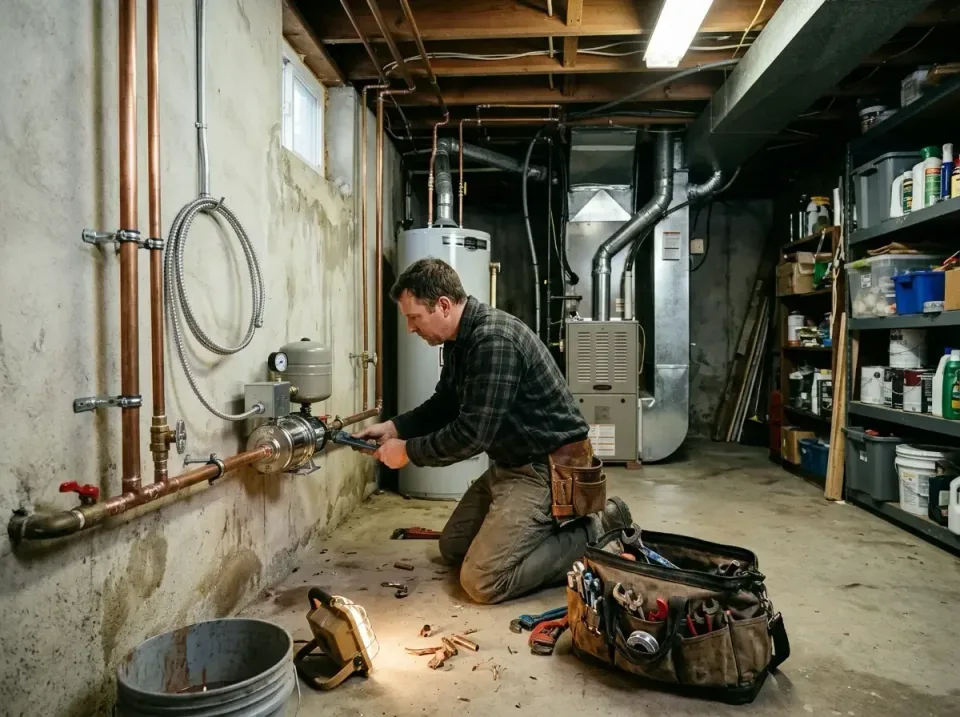
Why us
Get a clear diagnosis and a repair plan suited to your home’s water system.
A technician checks pressure at affected fixtures and traces the issue through regulators, pumps, tanks, and water lines. That helps identify where flow is being restricted before a repair is recommended.
The crew explains the findings and proposed repair before work begins, so you can understand what the job involves. Testing includes pressure checks with fixtures closed and flowing, not guesswork at one tap.
With 12 years in business, Wisconsin Plumbing Pros understands that older supply lines, worn regulators, and freeze damage can affect water flow in Wisconsin homes. The team coordinates service calls across the state.
Our process
The crew checks your water system, identifies the cause, and explains the repair.
The team asks which fixtures are affected and whether your home uses municipal or well water. You get a focused starting point for the visit and can share any changes you have noticed.
Before opening plumbing, the technician locates the main shutoff and protects nearby floors and cabinets. This helps keep the work area orderly while pressure and system components are checked.
The technician checks pressure at affected fixtures with water both off and flowing, then traces the cause through relevant regulators, pumps, tanks, and lines. Original switch and regulator settings are recorded.
Warning signs
Debris collecting on faucet aerators can be an early sign to inspect. Small particles may come from supply lines or plumbing work, and cleaning the screen can help reveal whether the flow issue is at the fixture or needs further attention.
Water lines that knock, rattle, or hiss when fixtures run are worth noticing. Sound alone does not identify the cause, but recording when it happens can help a technician assess the system and distinguish a plumbing concern from ordinary fixture noise.
Dampness near exposed water lines, a pressure regulator, or a pump can signal a leak that deserves attention. Look for recurring moisture rather than assuming a single splash is the source, and avoid opening plumbing before locating the main shutoff.
Through the year
Spring
Spring rain and thunderstorms can make it a useful time to check visible plumbing and well-system areas for moisture or disturbance. Addressing a pressure concern before outdoor projects and household water use pick up can help keep the system ready for everyday demands.
Summer
Warm, humid weather often brings more outdoor water use, making it easier to notice whether indoor and outdoor fixtures are performing as expected. A pressure evaluation can help identify a system issue before routine household needs compete with watering and other uses.
Fall
Autumn is a practical time to assess exposed plumbing and pressure controls before colder conditions arrive. A technician can check the system and explain whether any repair is needed, giving homeowners time to address concerns before winter cold puts added stress on plumbing.
Winter
Cold snaps and snowy conditions can put exposed lines and water-system components under stress. If pressure changes during freezing weather, timely testing can help distinguish a regulator, pump, tank, or line concern and guide the next repair without assuming the cause.
Common situations
Water pressure may feel lower after a softener is installed, leaving faucets or other fixtures slower than expected. The timing is useful information, but it does not by itself confirm whether the softener, a line, or another part of the water system is responsible.
A technician checks pressure at affected fixtures and traces the cause through the relevant water lines and system components. You receive an explanation of the findings and a repair recommendation based on the checks, rather than an assumed fix tied only to the installation.
Before you hire
Permit requirements can depend on the work and local rules. Ask the provider to explain whether the proposed scope requires a permit and who will handle it, so you understand what approvals apply before plumbing work begins.
Ask how scheduling works for your location and what timing to expect for the visit.
A pressure diagnosis may involve testing at fixtures and tracing the cause through system components. Ask which checks and tasks are included in the proposed scope, and what would require separate approval, before work begins.
Testing may require access to affected fixtures, the main shutoff, and relevant plumbing components such as a regulator, pump, or tank. Ask which areas the technician needs to reach so you can clear access ahead of the visit.
Ask for the proposed work and any applicable service terms in writing before authorizing a repair. Reviewing what is included, how additional work is approved, and any scheduling conditions helps you make an informed decision about proceeding.
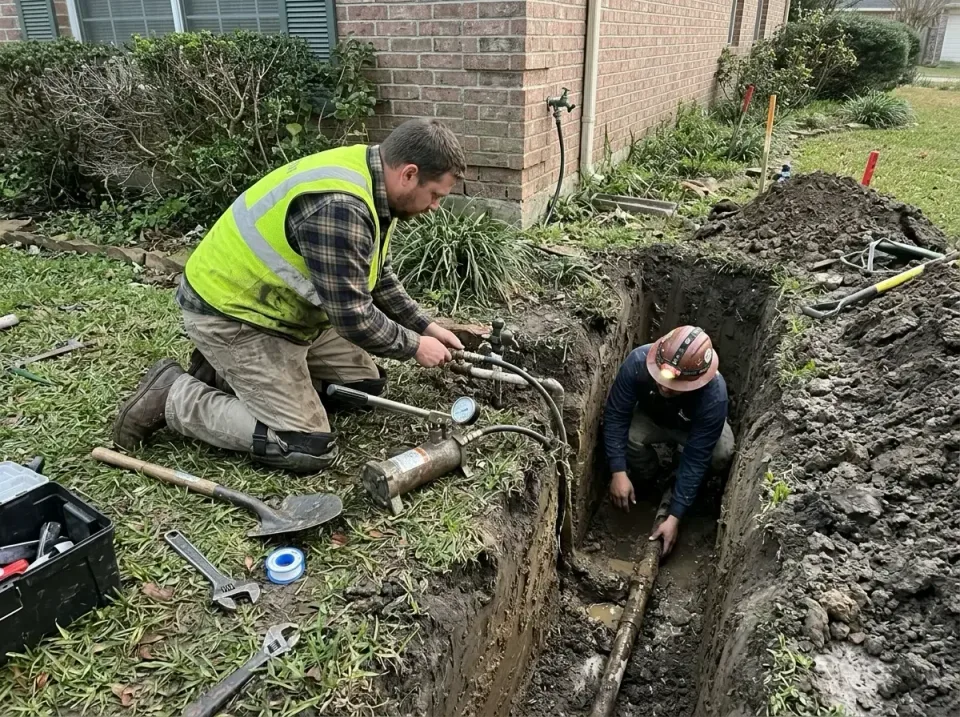
Plover Public Library and Portage County Regional Airport are familiar reference points for local service calls. Warm, humid summer weather can mean more fixtures running at once, making a pressure check under flow useful when a home’s supply seems inconsistent. We compare what residents notice with the plumbing conditions we can inspect.
We check the system, explain the likely cause in plain language, and outline the repair plan before work begins. Short, clear findings matter.
If several taps run weakly, or an upstairs faucet barely flows, the issue may be at the supply or inside the home. Spring snowmelt can raise groundwater around foundations, while spring rain may expose basement seepage; either is a reason to note damp utility-room conditions, not proof of a pressure fault. We inspect accessible plumbing and identify whether the home uses municipal supply or a private well.
We check pressure at more than one fixture and compare readings while water is flowing. A safe first check is to see whether cold and hot taps are both affected; do not adjust a regulator yourself.
Where exposed pipes run through a garage, basement, or crawlspace, insulation can help protect them from temperature swings. We explain the findings before proposing work. We serve Plover ZIP codes 54467 and 54492.
Heavy rain can overwhelm storm drains and sump systems, so a wet basement near Plover Public Library deserves attention alongside a pressure complaint; moisture alone does not establish the cause. Our crew checks accessible plumbing and looks for signs that help distinguish a supply issue from a localized fixture problem.
Summer humidity can raise indoor condensation on cool pipes, which may make a utility area feel damp without indicating a water-line leak. We check the pressure behavior and visible connections rather than treating condensation as proof.
Plover’s full poured-concrete basements often provide a practical point of access to plumbing, though equipment placement and clearances vary. If hot water pressure is weaker than cold, we compare the affected fixtures and inspect accessible hot-side components before explaining next steps.
Pressure work in Plover must follow applicable Wisconsin plumbing requirements, including SPS 382 for plumbing design and installation. SPS 305 sets plumbing credential requirements, while local permit needs can vary by municipality and by the work being performed. Confirm before work starts.
A pressure reading with every fixture closed is static pressure: it shows the system at rest, not how it performs during use. Our team also checks pressure with fixtures flowing, which can reveal a drop that a resting reading misses.
Skipping a required permit or inspection can leave work unverified and complicate later repairs. We review the scope, check applicable local requirements, and explain any permit or inspection steps before proceeding.
Pricing depends on the scope of work and varies by provider. Call (877) 773-0781 to reach a local service provider and ask about pricing for your specific job.
Availability varies by provider. Call to ask about scheduling many providers in the area offer prompt appointments.
Yes. Providers listed here typically cover Plover and surrounding communities. Call or check the service areas section to confirm coverage.
Have the location, a brief description of the job, and any relevant details ready. The provider will walk you through next steps on the call.
Licensing and insurance requirements vary by provider and state. Ask the provider directly when you call to confirm their credentials for work in Plover.
Share job details below or call our team directly. Phone: (877) 773-0781
Low Water Pressure Repair requests in Plover, WI often come from these zip codes and nearby streets.
54467, 54492
54482, 54481
54494
54495